


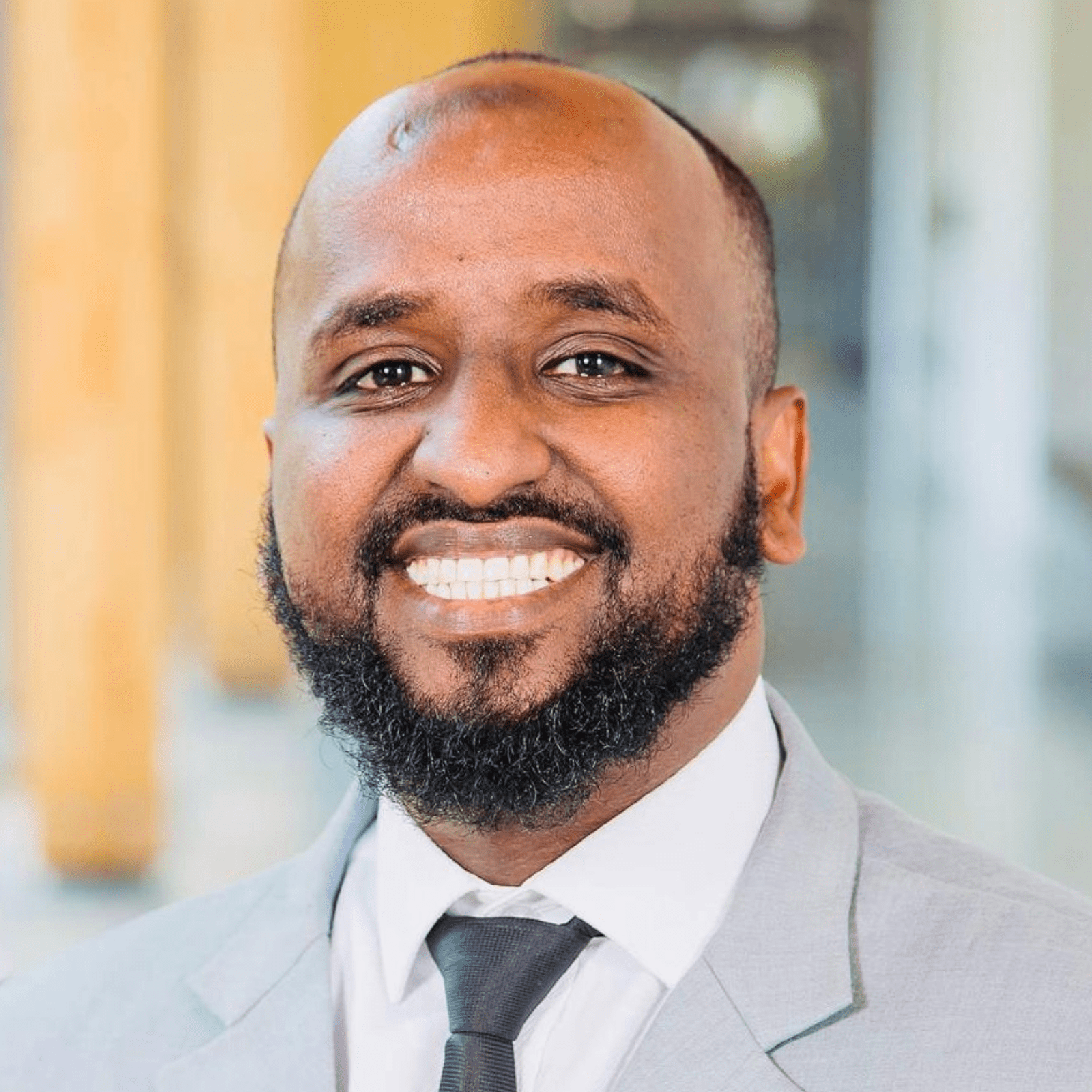
Zack Ahmed is a Postdoctoral Research Fellow on the Remitting for Resilience (R2) project at the Balsillie School of International Affairs, Wilfrid Laurier University. Funded by Canada’s New Frontiers in Research Fund, the R2 project examines how migration and remittances can support food security and climate adaptation across interconnected rural and urban contexts in Africa and beyond.
His research focuses on the intersections of South-South migration, food security, and urban governance, with particular attention to migrant food systems, remittances, and informality in the Global South. His doctoral work examined how migrants navigate food insecurity within informal economies, constrained governance environments, and translocal networks of support. Using mixed methods, including household surveys, life history interviews, and key informant consultations, his research shows how mobility, inequality, and informality shape migrant resilience and vulnerability.
Within the R2 project, Zack contributes to research on remittance pathways, practices, and their potential to enhance food security and climate resilience among vulnerable populations, particularly women and migrant-origin communities in climate-stressed environments. His work advances interdisciplinary and participatory approaches to remittance-based adaptation across multiple migration corridors linking urban destinations and rural sending regions.
Zack is affiliated with the MiFOOD Network and has published in peer-reviewed journals, edited volumes, policy platforms, and working paper series. He has presented his research in Canada, the United Kingdom, Mexico, South Africa, and Kenya. He has also taught at the graduate level in the Master of International Public Policy program and served as a teaching assistant in political science and global studies.
He brings over fifteen years of professional experience across the public, private, and non-profit sectors in Kenya, Tanzania, South Sudan, and Canada, with work spanning climate adaptation, youth livelihoods, governance, and community program development. He has also served as a Youth Policy Board Member for the UN FAO World Food Forum, representing youth in global policy discussions on food systems and resilience. In this role, he co-authored global policy documents, coordinated regional consultations, and delivered presentations at major UN platforms, including the World Food Forum in Rome, the UN High-Level Political Forum at UN Headquarters in New York, the Preparatory Youth Conference for the UN Food Systems Summit in Bangkok, and the UN Food Systems Summit in Addis Ababa.
Zack remains actively engaged in academic and community initiatives at BSIA and in the Waterloo Region, with a focus on education, youth development, and culturally grounded social services.