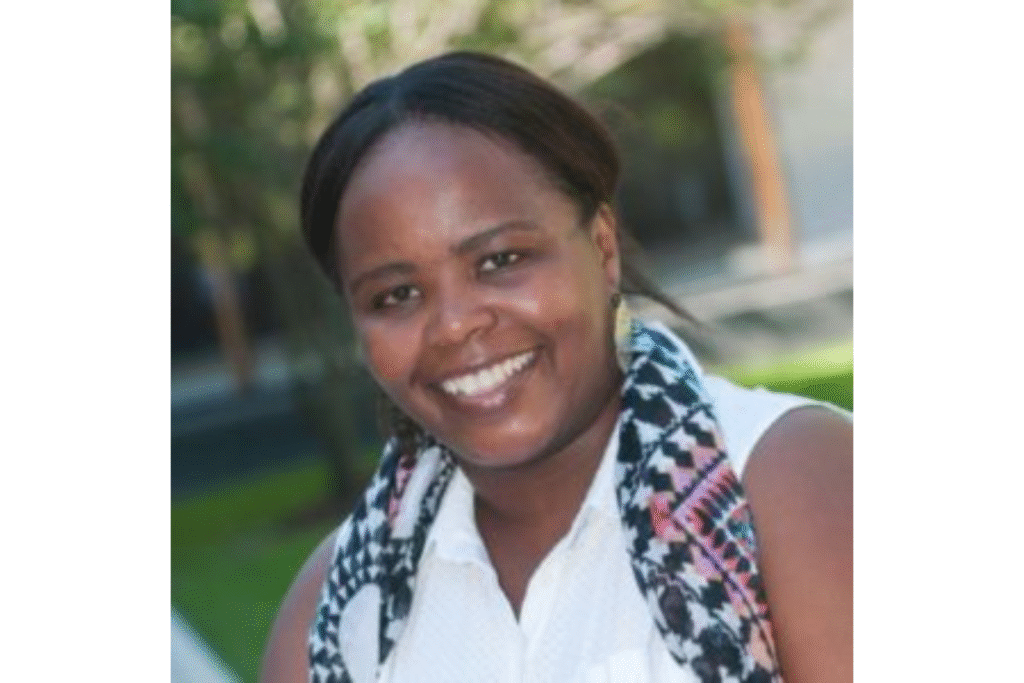
Rosemary Kimani-Dupuis‘ dissertation defence.
Abstract
This dissertation explores the lived experiences of African women refugees from the East and Horn of Africa and Great Lakes (EHAGL) region resettled in Ontario, Canada, with particular focus on the complex intersections of trauma, resilience, and healing within global refugee governance. It asks: How do the gendered and spatial dynamics of refugee protection and Canadian settlement systems sustain structural violence against African women refugees, and how do their transnational experiences challenge and reshape dominant frameworks of care, well-being, and institutional response? Through a multi-scalar analysis—macro (legal and policy frameworks), meso (institutional actors), and micro (women’s narratives)—the study explores how trauma is shaped, silenced, and contested across the forced migration trajectory: pre-flight, during flight, and post-flight. Central to this research is the Trauma and Epistemic Justice of Displacement (trauma-EJD) framework, which integrates Black feminist and decolonial epistemologies with a rights-based approach to center African women refugees’ voices, knowledge systems, and lived realities.
Situated within the broader landscape of forced migration and global refugee governance, this research foregrounds the invisibility and hyper-visibility of African women refugees, and the epistemic erasure of their experiences within dominant systems. Methodologically, the study weaves the trauma-EJD framework into a relational and reciprocal ethnographic approach. Ethnographic fieldwork, combined with policy and institutional analysis, reveals systemic erasures, gendered violence, racialized gatekeeping, and fragmented care within global refugee governance. In contrast, African women refugees’ testimonies illuminate practices of resistance, spiritual resilience, and collective healing, grounded in culturally rooted understandings of ‘ustawi wa’ and the continuity of ethics of care across borders and time. The findings articulate the spatio-temporal dynamics of trauma and displacement, offering a re-theorization of care and justice rooted in African women’s lived experiences within global refugee governance. The dissertation calls for structural transformation at global, regional, and national levels—toward trauma-responsive and justice-centered approaches that affirm African women refugees’ epistemic dignity. The trauma-EJD framework offers a roadmap for reimagining refugee governance rooted in dignity, relational care, and lived knowledge.
Supervisor: Dr. Jenna Hennebry
Committee: Dr. Bree Akesson and Dr. Stacey Wilson-Forsberg
Internal/External: Dr. Andrea Brown
External: Dr. Bukola Oladunni Salami, University of Alberta
Chairperson: Dr. Lisa Kuron
If you are interested in attending, please email events@balsillieschool.ca and indicate if you would like to attend in person or virtually.