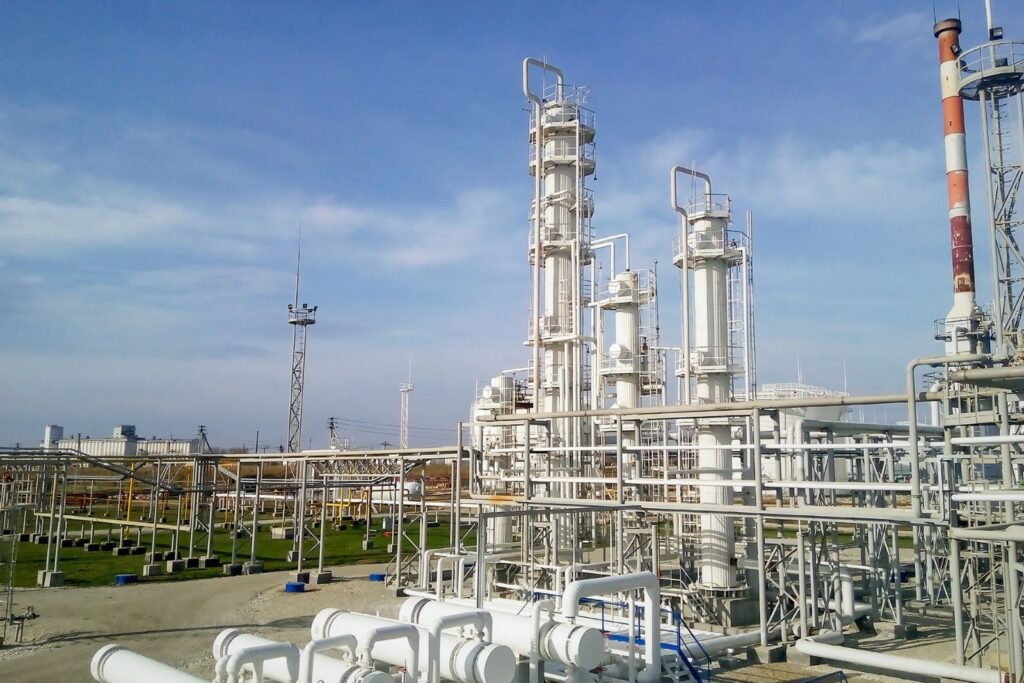
Canada and Venezuela have vast heavy oil deposits – the largest reserves in the world. The oil is viscous, sulphur-rich, asphaltenic, and difficult to turn into marketable products (gasoline, diesel, jet fuels…). Venezuelan overall resources are smaller, but their reserves (potentially exploitable oil) are larger, the climate less demanding, and closer to tidewater.
Will Mr. Trump’s plan to recharge oil production in Venezuela present a serious risk to Canada’s heavy oil industry?
The last 25 years has seen the decay of Venezuelan production from about 3MM b/d to 1MM b/d; Canadian heavy oil production in this period ramped up to more than meet this decay, and Canada has emerged as the fourth largest oil producer in the World, and the largest oil import source for the US (60% of US imports).
Rebuilding Venezuela’s heavy oil industry will require vast investments because everything has decayed (physical infrastructure, human infrastructure, political probity…) and genuine civil society is virtually moribund. Rebuilding will be a complex and contentious task, with a need for large CAPEX inputs and “re-adoption” of foreign, largely Canadian, technology and management structures.
The task is so challenging that a decade appears to be the minimum recovery time, and this reconstruction time will need addressing large outstanding debts, intense renegotiations of royalty regimes and expat worker conditions, training of a new generation of Venezuelan workers, infrastructure repair, plus guarantees of the rule of law and political stability.
Canada has a highly efficient heavy oil industry: it is the crucible of heavy oil technology, it has a superbly trained workforce (many Venezuelan engineers fled to Canada as well), and it will retain market share easily for the foreseeable future. Venezuela will struggle to return to 3 MM b/d in less than a decade, and by then, the world energy picture will have changed and the markets for heavy oil and its products will also change.
About the Speaker
 Maurice joined Waterloo in 1982 and retired in 2024, although he remains active in research on subsurface engineering processes such as geothermal energy, CO2 sequestration, energy storage and deep waste injection.
Maurice spent a half-year sabbatical in Venezuela in 1981 and served as a consultant to various oil companies active in Venezuela from 1985 to 2005, including the national oil company Petroleos de Venezuela S.A. He developed and taught a short course on New Heavy Oil Production Technologies that was taught various times in many countries from 1995 to 2015.